
Introduction
To start a podcast business in the UK, select a niche, choose a microphone, and record with free or low-cost software. Publish via a hosting platform that distributes your show to Spotify, Apple Podcasts, and more. You can then register as a sole trader or limited company and build your audience by engaging with the community. With low entry barriers and a vast audience, you can publish your first episode in a weekend.
Podcasting offers an incredible chance to share your passions while building a business. From sports to fashion, the possibilities are endless. This guide breaks down everything you need to know – from validating your idea and registering your business to choosing the right equipment and growing your audience.
Key Takeaways
- You can start a podcast for free – or for well under £200 with a quality USB microphone and basic accessories.
- The UK podcast market was valued at £1.7 billion in 2024 and is growing at around 26% year-on-year.
- Over 51% of UK adults now listen to podcasts monthly, with a third tuning in every week.
- You don't need to be famous. Everyday creators started some of the UK's biggest shows with zero broadcast experience.
- Monetisation can begin from as few as 1,000 downloads per episode through sponsorships, memberships, and affiliate marketing.
Why start a podcast business in the UK?
Podcasting in the UK is booming, so whether you're passionate about psychology, history, film, or fashion, launching a podcast can bring your voice to a wide audience. You certainly don't need a broadcasting career or a big budget to break into it.
With over 20 million UK adults now listening to podcasts every month, people are actively seeking shows that speak to their interests, solve their problems, or simply make their commutes more entertaining. And it's not only the established names like Steven Bartlett and Rob Beckett who are making podcasting work:
- Two historians, Tom Holland and Dominic Sandbrook, launched The Rest Is History during lockdown with zero prior media fame – it now pulls in 11 million monthly downloads.
- Sophia and Cinzia, two best friends from Nottingham with a YouTube channel, turned a dilemma series into The Girls Bathroom – now averaging one million monthly listeners, with sold-out shows at the London Palladium and a combined social following of over 2.3 million.
- Singer-songwriter Tom Rosenthal created Strangers on a Bench simply by sitting in parks and talking to passers-by. With zero marketing budget, word of mouth alone earned him coverage in The Guardian and The Economist.
These podcasts began with just a microphone, an idea, and ambition.
Step 1: Choose a business model, find your niche and validate your idea
First off, there are several ways to build a podcast business, and you can combine or move between them as you grow:
- Solo or co-hosted show – you (or you and a partner) talk about a topic you know well. It's a common starting point with low costs and branding potential.
- Interview show – you bring on guests with expertise, stories, or their own audiences. Great for networking and cross-promotion.
- Narrative or storytelling – scripted, edited shows that tell a story across episodes. Higher production effort, but often highly shareable.
- Video podcast – many of today's most successful podcasts are filmed as well as recorded. Posting short clips from your episodes is one of the most effective ways to grow on social media.
- Branded or B2B podcast – a podcast used to promote a business, build authority, or generate leads. Increasingly popular with entrepreneurs and consultants.
Whichever model appeals to you, the startup costs are minimal, and the audience is already out there. The challenge isn't getting in – it's standing out. That starts with finding the right niche.
What do you know well?
If you already live and breathe a topic – whether it's true crime, personal finance, football tactics, or sustainable fashion – leverage that as an advantage. Your enthusiasm builds audience trust quickly. A fresh perspective and willingness to learn can also engage audiences.
Is there a gap?
Search Spotify, Apple Podcasts, and YouTube for shows in your space. Listen to a few. Look at what they do well and where they could improve.
Check Reddit, Instagram and TikTok comments, and niche Facebook groups to see what questions people are asking. If the same problems keep coming up and nobody's addressing them properly, that's your opportunity.
You can also use Google Trends to check whether interest in your topic is growing, stable, or declining.
Step 2: Determine startup costs
One of the best things about podcasting is that the upfront capital is low or zero.
You can genuinely start a podcast for free if you already have a smartphone and a quiet space. But even a small investment can make you sound professional. Here are some typical startup costs for a podcast business:
| Cost category | Estimated range | Notes |
|---|---|---|
| Microphone | £0–£250 | Smartphone mic is free; USB mics from ~£50 |
| Headphones | £0–£50 | Any closed-back pair works; helps you monitor audio |
| Pop filter and boom arm | £15–£35 | Reduces unwanted noise; holds mic in place |
| Recording and editing software | £0 | Audacity and GarageBand are both free |
| Hosting platform | £0–£20/month | Spotify for Creators is free; Buzzsprout from ~£15/month |
| Cover art and branding | £0–£100 | Canva is free; freelancers on Fiverr from ~£20 |
| Website and domain | £0–£300/year | A Google Business Profile is free; paid sites from ~£25/month |
| Business registration | £0–£156 | Free as a sole trader. For a limited company, digital filing costs £50, or £156 for same-day registration. |
Many of your early expenses may qualify as pre-trading expenses, which you can claim against tax once your business is earning. That could include equipment, software subscriptions, and even a portion of household bills if you're recording from home.
Step 3: Choose your business structure and register
Before you take on sponsors or paying clients, you'll need to register your business. In the UK, there are three main relevant structures to choose from:
- Sole trader – the simplest route. Register with HMRC for free, file a Self Assessment tax return each year, and keep all profits after tax.
- Limited company – more admin, but offers limited liability protection and can be more tax-efficient as your income grows.
- Partnership – an option if you're launching with a co-host. You'll register with HMRC and agree on how profits and responsibilities are shared.
Many podcasters begin as sole traders because it's fast and free. As revenue grows and things get more serious, forming a limited company becomes worth exploring for the tax benefits and liability protection.
Whichever route you take, you'll need a business name – use our company name availability checker to make sure yours isn't already taken before you invest in branding or cover art.
Step 4: Choose your equipment and software
You don't need a professional studio to start a podcast. A quiet room, a decent microphone, and free editing software will get you surprisingly far. If you want to give the end result a slightly more professional finish, you don’t need a significant investment.
Budget-friendly setup (£0–£50)
For the cheapest possible podcasting setup, record on your smartphone using the built-in tools on Spotify for Creators.
Use wired earbuds with an inline mic, find a quiet room – a wardrobe full of clothes is a surprisingly effective makeshift sound booth – and edit with Audacity (free on Mac, Windows, and Linux) or GarageBand (free on Apple devices). You’ll also want to look into Descript, with its AI-powered transcription and editing.
If you're filming too, prop your phone up on a basic tripod (~£15) and make sure you're well-lit.
Starter setup (£50–£150)
This is the sweet spot for most beginners. A USB microphone plugs directly into your laptop with no extra equipment needed. Top picks include:
- Samson Q2U (~£60) – a popular beginner choice with both USB and XLR connections, meaning it grows with you if you upgrade your setup later.
- Audio-Technica AT2040 (~£80) – designed specifically for podcasters, with USB-C connectivity and excellent voice clarity.
- RODE PodMic (~£90) – broadcast-quality sound, though it needs a separate audio interface (a small box that connects the microphone to your computer via XLR cable) to work.
Add a pop filter (~£10) to soften harsh "p" and "b" sounds, and a basic boom arm (~£20) to hold your microphone steady and free up desk space.
Mid-range setup (£150–£300)
If you're ready to invest a bit more, these options will give you a noticeably more polished sound:
- Shure MV7+ (~£250) – the go-to mic for serious podcasters. Offers both USB and XLR, excellent sound, and a built-in LED touch panel.
- RODE NT-USB+ (~£170) – superb audio quality with a straightforward USB connection.
- A pair of closed-back headphones will help you monitor your sound while recording.
Cameras for video podcasting
If you're planning to film your episodes, you'll need a camera. The good news is you probably already own one in the form of your smartphone.
- Your smartphone – modern phones shoot in 4K and produce excellent video. Pair it with a basic tripod (~£15) and sit facing a window for natural light.
- Logitech C920s Pro (~£60) – a plug-and-play 1080p webcam that's a significant step up from your laptop's built-in camera. Sits on top of your monitor and works straight out of the box.
- Logitech Brio 4K (~£150) – 4K resolution with HDR and solid low-light performance. A popular mid-range choice for podcasters who want sharper visuals without the complexity of a standalone camera.
- Sony ZV-1 II (~£750) – a compact camera designed specifically for content creators, with a wider lens that fits multiple speakers in frame. This is the prosumer sweet spot if you're ready to invest in a more cinematic look.
Audio should generally take priority over video – listeners will forgive average visuals far more quickly than poor sound. Get your microphone right first, and add or upgrade your camera setup once you've found your rhythm.
Hosting platforms
A hosting platform stores your audio files and generates something called an RSS feed.
Think of it like a unique web address that tells apps like Spotify, Apple Podcasts, and Amazon Music where to find your show. You set it up once, and every new episode is automatically delivered to all the platforms your listeners use.
Popular choices include:
- Spotify for Creators – completely free with unlimited uploads. Your show automatically appears on Spotify, and you can also submit your feed to other apps. Great for getting started, though Spotify takes 50% of any ad revenue through their system.
- Buzzsprout – 90-day free trial, then from ~£15/month. Very beginner-friendly with excellent analytics and customer support.
- Podbean – free plan with 5 hours of storage. Paid plans from ~£11/month.
- Acast – popular with UK creators, with a free tier and built-in monetisation tools.
A typical podcast workflow
Here's a simple workflow that many UK podcasters follow to make their first recordings:
- Plan your episode using a notes app or Google Doc – outline your key talking points, any guest questions, and your intro.
- Record in a quiet room. Plug your USB mic into your laptop and open your recording software. If you're filming, set up your phone or webcam at eye level in front of you.
- Sync your audio and video (if recording both). The easiest strategy for beginners is to record through a single tool that captures audio and video together – Descript and Riverside both do this, so there's nothing to sync afterwards. If you're recording audio and video on separate devices (for example, a USB mic into your laptop and a phone on a tripod for video), do a loud hand clap at the start of each take. Both devices will pick up the same sharp spike, and you can line the tracks up in your editor by matching those peaks.
- Edit in Audacity, GarageBand, or Descript. Trim dead air, cut mistakes, and add a simple intro and outro.
- Export your finished audio as an MP3 file (128kbps is the standard for podcasts – good quality without huge file sizes). If you're publishing video, export it in MP4 format too.
- Upload to your hosting platform (Spotify for Creators, Buzzsprout, etc.), add your episode title, description, and artwork. If you've got a video version, upload that to YouTube and Spotify separately.
- Promote by clipping the best 30–60 seconds into vertical video for TikTok, Reels, and Shorts. Share across your social channels and drop a link in your newsletter if you have one.
Once you've done this a few times, you’ll naturally get quicker, and the whole process should click into place.
Step 5: Record, edit, and publish your first episodes
This is the exciting part. You've got your niche, your microphone, and your hosting platform sorted.
Plan your first few episodes. You don't always need a rigid script – most listeners prefer a natural, conversational tone – but having a clear outline with key talking points will keep you on track.
If you're filming your podcast (and it's well worth considering), make sure your lighting is decent and your camera is at eye level.
Recording tips for beginners
You don't need to overthink your first recording session. A few small habits will make a noticeable difference to your audio quality from the very start:
- Find the quietest room in your home. Close windows, turn off fans, and avoid rooms with hard surfaces that create echo.
- Sit about a fist's distance from your microphone.
- Record a short test clip and listen back before committing to a full episode.
- Don't aim for perfection. A few "ums" and natural pauses make you sound human and relatable.
Editing
Keep it simple to start. Trim long silences, cut obvious mistakes, and add a short intro and outro. That's all you need for your first few episodes. You can get more polished as you go.
Publishing
Upload your finished episode to your hosting platform, add a title, description, and episode artwork, then hit publish. Your host will distribute it to all the listening apps you've connected.
Most podcasters aim to launch with three to five episodes. This gives new listeners enough content to get hooked, and it helps the apps' recommendation systems recognise your show as active.
Step 6: Build and engage your audience
Your first listeners will probably be friends and family – and that's completely fine. But to grow beyond your inner circle, you'll need a strategy you can repeat.
Social media and short-form video
You might have seen podcast clips on your social media feeds, and that’s because it’s one of the best ways to create visibility and grow.
Clip the most engaging, funny, or thought-provoking moments from your episodes into 30 to 60-second vertical videos and share them on TikTok, Instagram Reels, and YouTube Shorts.
This is exactly how The Girls Bathroom blew up. Sophia and Cinzia share irresistible TikTok clips that tease the conversation without giving away the ending – viewers have to listen to the full episode to hear how it plays out.
If you're recording video alongside audio, you've already got the raw material for these clips.
If you're audio-only, tools like Descript and Headliner can turn your audio into captioned, visual-friendly clips.
Beyond social media
Short-form video is powerful, but it's not the only way to grow your business. Here are a few more strategies worth building into your routine:
- Be a guest on other podcasts – one of the fastest ways to reach a new, relevant audience.
- Encourage reviews – positive reviews on Apple Podcasts and Spotify boost your visibility in search results.
- Build a community – a free newsletter, a Discord server, or an active comment section gives listeners a reason to engage between episodes.
- Collaborate – cross-promote with podcasters in adjacent niches. You'll both benefit from the shared exposure.
Consistency matters more than frequency. One great episode every week will grow your audience faster than three rushed episodes followed by silence.
Step 7: Monetise your podcast
You don't need a massive audience to start earning. In fact, you can begin monetising from around 1,000 downloads per episode if your niche is clearly defined and your audience is engaged.
Sponsorships and advertising
Sponsorship is where a brand pays you to mention or recommend their product during your episodes. It's the most common way podcasters earn money, and it comes in a few forms:
- Host-read ads – you read the ad in your own voice, usually woven into the episode.
- Programmatic ads – pre-recorded ads that your hosting platform inserts automatically into your episodes.
- Brand partnerships – longer-term deals where a company sponsors a whole series or season, often with deeper integration like branded segments.
Most sponsors pay per thousand listeners, but this can vary by niche and audience. At around 5,000 downloads per episode, brands start approaching you directly. Platforms like Acast can match you with relevant sponsors.
Spotify also lowered its Partner Programme requirements in 2026 – you now need just 1,000 engaged listeners and 2,000 consumption hours to qualify for ad revenue sharing and video monetisation.
Diversifying your income
Sponsorships and memberships are the most common starting points, but plenty of podcasters earn through additional channels too:
- Memberships – platforms like Patreon let you offer bonus episodes, early access, ad-free listening, or behind-the-scenes content in exchange for a monthly fee from your listeners.
- Affiliate marketing – promote products you use and earn a commission on sales through your unique referral link.
- Merchandise – branded products via print-on-demand services that require no upfront stock.
- Live events – as your audience grows, live podcast recordings can become a significant source of income. For example, the Off Menu podcast with James Acaster and Ed Gamble regularly tours UK theatres, and The Girls Bathroom has sold out the London Palladium.
- Courses and consulting – if your podcast positions you as an expert, paid workshops, coaching, or consulting are a natural next step.
- YouTube ad revenue – if you're publishing video episodes, YouTube's Partner Programme lets you earn from ads once you hit certain thresholds.
- Branded content – companies may pay you to create dedicated episodes around their product or service, particularly if your audience is a strong match.
Step 8: Scale and grow your podcast business
Once your audience is growing and revenue is coming in, it's time to think bigger.
Expanding your team
As episodes get more complex or frequent, consider hiring a freelance editor, a social media manager to create your video clips, or a virtual assistant to handle admin.
You don't need to do everything yourself to grow – in fact, letting go of tasks that drain your time is often what unlocks the next level.
Diversifying your content
Adding a second show, launching a YouTube channel with full video episodes, starting a newsletter, or creating a course are all proven ways to deepen your relationship with your audience and open up new revenue streams.
Going from sole trader to limited company
If your podcast is generating consistent income, it may be worth converting to a limited company for the tax efficiency and liability protection. It's a common step for podcasters as they move from a passion project to a proper business.
Getting set up is straightforward – you can compare packages and have your company registered the same day. 1st Formations can get you registered in minutes, so you're set up to sign sponsors, issue invoices, and build something fun and long-lasting.
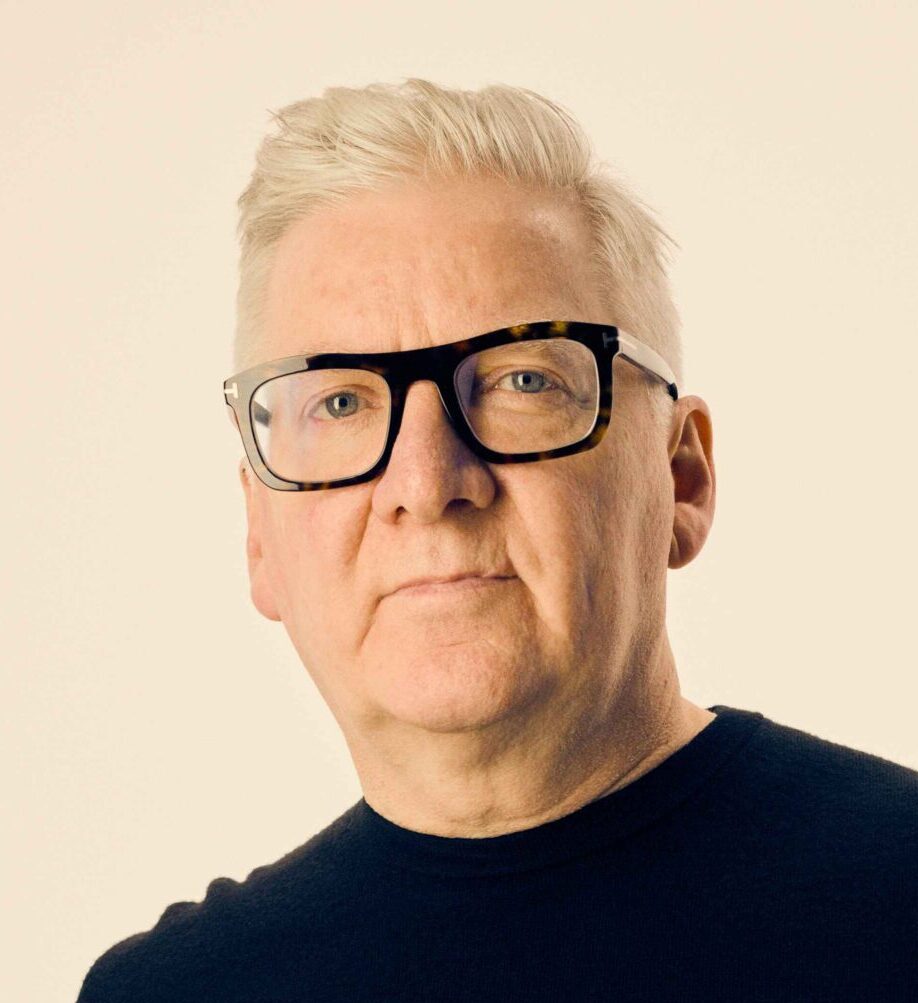
Graeme Donnelly
Graeme Donnelly is the Founder and CEO of 1st Formations, with 25 years of experience driving innovation in the startup and SME sectors. A passionate advocate for entrepreneurship, Graeme has led the development of numerous cutting-edge business products and services through his leadership at 1st Formations and BSQ Group. As part of our commitment to a better future, 1st Formations is proud to be a carbon net-zero company, supporting environmental sustainability, and empowering local businesses and charities through impactful partnerships.
